What if your neighborhood felt like a living postcard, but still worked for real life? That is the appeal of Old Town Key West. If you are thinking about buying here, moving here full time, or finding a second home that puts you in the middle of island life, it helps to know what daily living actually feels like beyond the photos. Here is what you can expect from the rhythm, character, and tradeoffs of life in Old Town.
Old Town feels walkable and connected
One of the biggest differences you notice in Old Town is how much of life happens outside the car. The city describes the area as a grid with secondary lanes, slow-traffic streets, and a mix of residential, commercial, institutional, and government uses. In plain terms, that means your day can feel more connected and spontaneous.
You may find yourself walking to coffee, dinner, the harbor, or an evening event without planning your whole day around parking. That does not mean cars disappear from the picture, but it does mean Old Town lives more like a compact historic neighborhood than a typical suburban setup.
Mobility here is practical, just managed differently. The former Duval Loop was suspended as of January 1, 2026, and its stops continue to be served by Key West Rides On-Demand. The city also points to bike racks, marked moped spaces, and resident parking options, which supports a car-light lifestyle even if you still keep a vehicle.
The streetscape feels historic and tropical
Old Town has a look and feel that is hard to duplicate anywhere else. According to the city’s historic design guidelines, the neighborhood includes frame vernacular cottages, cigar maker’s cottages, eyebrow houses, Bahama houses, Classical Revival homes, Queen Anne examples, and a small number of bungalows. That variety gives the area a layered, lived-in character rather than a master-planned feel.
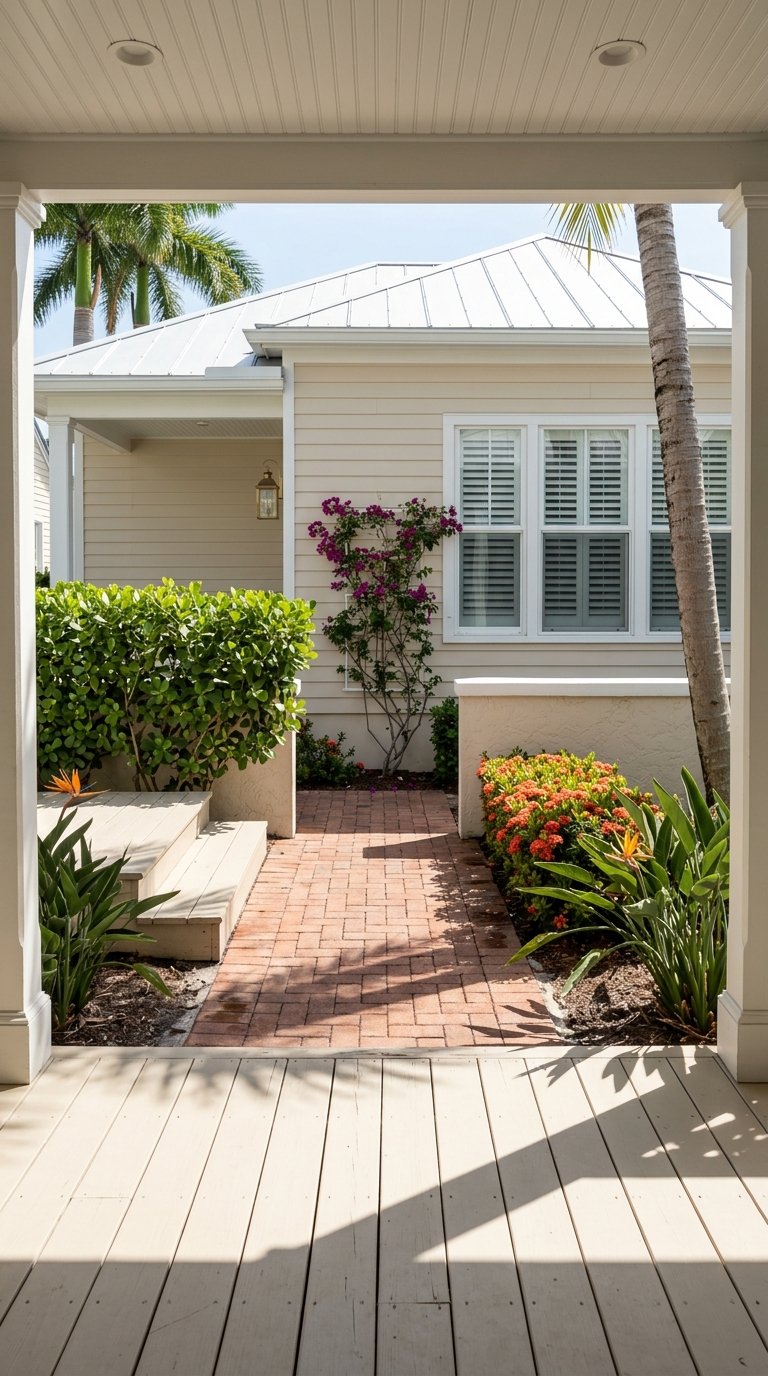
Many homes were built to respond to the island climate. Raised foundations, wood cladding, porches, shutters, and ventilation details all reflect a long tradition of adapting to heat and sea breezes. The Bahama house style, in particular, is noted by the city as especially well suited to Key West’s tropical conditions.
For you as a buyer, that often means charm comes built into the architecture. It can also mean older homes have details, layouts, and upkeep needs that differ from newer construction. In Old Town, the visual character of the neighborhood is a major part of the lifestyle.
Historic ownership comes with preservation rules
Living in a historic district can feel rewarding because the neighborhood keeps its distinctive identity. At the same time, ownership here is not as free-form as it might be in a newer area. In Old Town’s historic district, many exterior changes require a Certificate of Appropriateness.
That includes a wide range of work such as new structures, fences, decks, signs, painting, repairs, alterations, remodeling, landscaping, and demolition of exterior elements. If you love the idea of stewarding a historic property, this can feel meaningful and worthwhile. If you want fast cosmetic changes with few approvals, it is important to understand the process before you buy.
Duval and Front shape the social energy
Old Town is not loud or busy in the same way on every block. The city identifies an Entertainment Corridor with the highest concentration of nightlife and bars along Duval Street and part of Front Street. That concentration matters because it means the neighborhood has clear pockets of activity and clearer pockets of calm.
If you live near the Duval and Front core, your surroundings may feel more animated into the evening. If you are farther from that corridor, you are more likely to experience the slower residential side of Old Town with its smaller-scale homes and calmer streets. Lifestyle fit here often comes down to exact location, not just the neighborhood name.
Duval Street is also central to the neighborhood’s personality. VISIT FLORIDA describes it as quirky and free-spirited, with historic buildings, bars, food, live music, and shopping. For many buyers, that creates a true live-work-play setting where entertainment is part of the neighborhood fabric.
Culture is part of daily life
Old Town offers more than restaurants and nightlife. Cultural life is woven into the streets, museums, public spaces, and historic markers across the island. The Key West Art & Historical Society stewards more than 120 historic markers and operates museums and programs tied to the island’s art and literary history, including the Tennessee Williams Museum and annual Tennessee Williams events.
That means living here can feel immersive in a way that many resort areas do not. A walk through the neighborhood can double as a history lesson, an architecture tour, or an arts outing. In Old Town, culture is not tucked away in one corner. It is part of the everyday backdrop.
The waterfront becomes part of your routine
One of the most distinctive parts of life in Old Town is how often the water shows up in ordinary moments. The Key West Bight Marina sits in the historic district, and the Harbor Walk is lined with restaurants, shops, attractions, and businesses used by both visitors and locals. The waterfront here is active, not just scenic.
The city notes that the Bight is a major place to experience the old waterfront of Key West, with access to activities like sailing, diving, fishing, parasailing, and trips to the reef. Even if you are not heading out on the water every day, you still feel connected to it. That could mean a harbor stroll, dinner near the marina, or simply passing boats on your way through the neighborhood.
Mallory Square adds another layer to that routine. The city describes it as a long-standing center of community activity, and its Sunset Celebration remains one of the most iconic local traditions. Living nearby means the island’s famous sunset ritual can feel less like a special event and more like part of the week.
Parking takes planning
If you are used to abundant private parking, Old Town may require an adjustment. Parking is available, but it is actively managed rather than plentiful. The city’s Old Town Garage operates on a first-come, first-served basis with 300 spaces, and the resident parking program provides limited free parking in select lots, typically up to four hours once per day.
That setup supports daily life, but it also highlights one of the neighborhood’s real tradeoffs. In Old Town, convenience often comes from walkability and proximity, not from oversized driveways and extra garage space. For many people, that trade is worth it. It is still something to think through carefully when choosing a home.
Noise depends on the block
Old Town is best understood block by block. The city has a sound control ordinance that prohibits unreasonably excessive noise, but that does not make every part of the neighborhood feel the same after dark. Homes closer to Duval Street, Front Street, or Mallory Square generally experience a more active atmosphere.
That can be a major plus if you want energy at your doorstep. It can be less appealing if you are looking for a quieter retreat. One of the most important parts of buying in Old Town is matching the home’s exact location to how you want to live day to day.
Coastal beauty also means resilience matters
Part of Old Town’s beauty comes from its location on a small island. The city’s guidelines also make clear that the area has long been vulnerable to hurricanes, tropical storms, and storm surge. That reality is part of living in a historic coastal setting.
For you, this means the appeal of Old Town should always be viewed alongside resilience considerations. Architecture, maintenance, approvals, and property decisions all exist within the context of island conditions. Buyers who understand that from the start tend to feel more prepared and more confident in their choice.
Who tends to love Old Town most
Old Town often fits buyers who value character, walkability, and access to dining, culture, and the waterfront. It can also appeal to second-home buyers who want a neighborhood with a strong sense of place rather than a more isolated resort feel. If you enjoy historic architecture, daily movement on foot, and a socially active environment, Old Town can feel incredibly rewarding.
It may be a less natural fit if your top priorities are easy parking, total quiet, or a home where exterior changes can happen quickly and casually. The neighborhood gives you atmosphere, history, and access. In return, it asks for flexibility and an appreciation for how island living really works.
Old Town is one of those places that feels different the moment you step into it. The best way to understand whether it fits your lifestyle is to look beyond the postcard image and focus on the exact block, home style, and daily routine you want. If you are considering a move, a second home, or an investment in Key West, Stacy Stahl can help you navigate Old Town with the kind of local insight that makes all the difference.
FAQs
What is daily life like in Old Town Key West?
- Daily life in Old Town often feels walkable, social, and connected to both the waterfront and historic streets, with many errands, meals, and outings happening close to home.
Is Old Town Key West a walkable neighborhood?
- Yes. The city describes Old Town as a compact grid with slow-traffic streets, lanes, and mixed-use corridors that support getting around on foot, by bike, or by moped.
Are homes in Old Town Key West mostly historic?
- Many are. The area includes several historic housing types, such as cottages, eyebrow houses, Bahama houses, and other traditional Key West architectural styles.
Can you renovate a home in Old Town Key West easily?
- Renovations may require added planning because many exterior changes in the historic district need a Certificate of Appropriateness from the city.
Is Old Town Key West noisy at night?
- It depends on the block. Areas closer to Duval Street, Front Street, and Mallory Square tend to feel more active, while more residential sections are often calmer.
Is parking difficult in Old Town Key West?
- Parking is manageable but limited. The city provides options like the Old Town Garage and a resident parking program, but parking is actively managed rather than abundant.
What makes Old Town Key West different from other neighborhoods?
- Old Town stands out for its historic architecture, mixed-use street life, cultural landmarks, working waterfront, and the way daily living often happens close to the water and on foot.