If you picture Old Town Key West as one neighborhood with one lifestyle, you could miss the block that fits you best. In this part of the island, a few streets can change your daily experience in a big way, from busy mixed-use corridors to tucked-away residential lanes. If you are planning to buy in Old Town, this guide will help you understand how the area really works so you can match your budget, lifestyle, and goals to the right micro-neighborhood. Let’s dive in.
Why Old Town Feels Different by Block
Old Town is the western, higher portion of Key West, generally west of 1st Street. The city notes that this area was first developed on higher land on the main island, with topography rising just east of Duval Street and then sloping toward both the Gulf and Atlantic.
That geography is part of the story, but the street pattern matters too. City architectural guidance explains that Old Town grew from a primary street grid with secondary lanes leading to homes inside the blocks. That is one reason two homes only a short walk apart can feel very different in terms of privacy, traffic, and overall pace.
For buyers, the big takeaway is simple: Old Town is not one uniform market. It is a collection of smaller micro-markets, and your day-to-day living experience often depends more on the immediate block than the broader zip code.
Know the Three Main Micro-Neighborhood Types
Most buyers comparing Old Town homes end up weighing three distinct settings. Each one offers a different version of Key West living.
Duval-Adjacent Core
The Duval-adjacent core is the most urban-feeling part of Old Town. The city describes Duval and parts of Whitehead, Truman, and White as corridors with their own character, including mixed-use streets where some former single-family homes were later adapted to commercial or apartment use.
For you, that often means storefronts, upper-floor living, smaller units, and more street activity. Buyers here are usually prioritizing centrality and walkability over larger lots or more privacy. That convenience also tends to support premium pricing.
If you want to step out your door and be close to dining, shops, and the energy of Old Town, this area may feel like the best fit. If you prefer a calmer residential rhythm, you may want to look a few blocks deeper into the interior.
Historic Waterfront and Key West Bight
The Key West Bight is a 20-acre historic seaport and marina district. The city describes it as a place where you can experience the old waterfront of Key West, with deep water, charter-boat activity, the ferry terminal, and easy walking access to Duval Street and Mallory Square.
From a buyer perspective, this is a marine-oriented, visitor-active setting rather than a quiet residential pocket. Inventory often leans toward waterfront condos, mixed-use buildings, marina-related properties, and other specialized opportunities.
This is generally one of the most expensive sections of Old Town because waterfront access is limited. If your priorities include harbor views, marina access, or a front-row seat to the working waterfront, the Bight can be compelling.
Quiet Interior Residential Pockets
Away from the main corridors, Old Town takes on a different feel. The city describes these interior residential blocks as small-lane, slow-traffic streets with small-scale houses, and notes that interior lanes lead to homes tucked inside blocks.
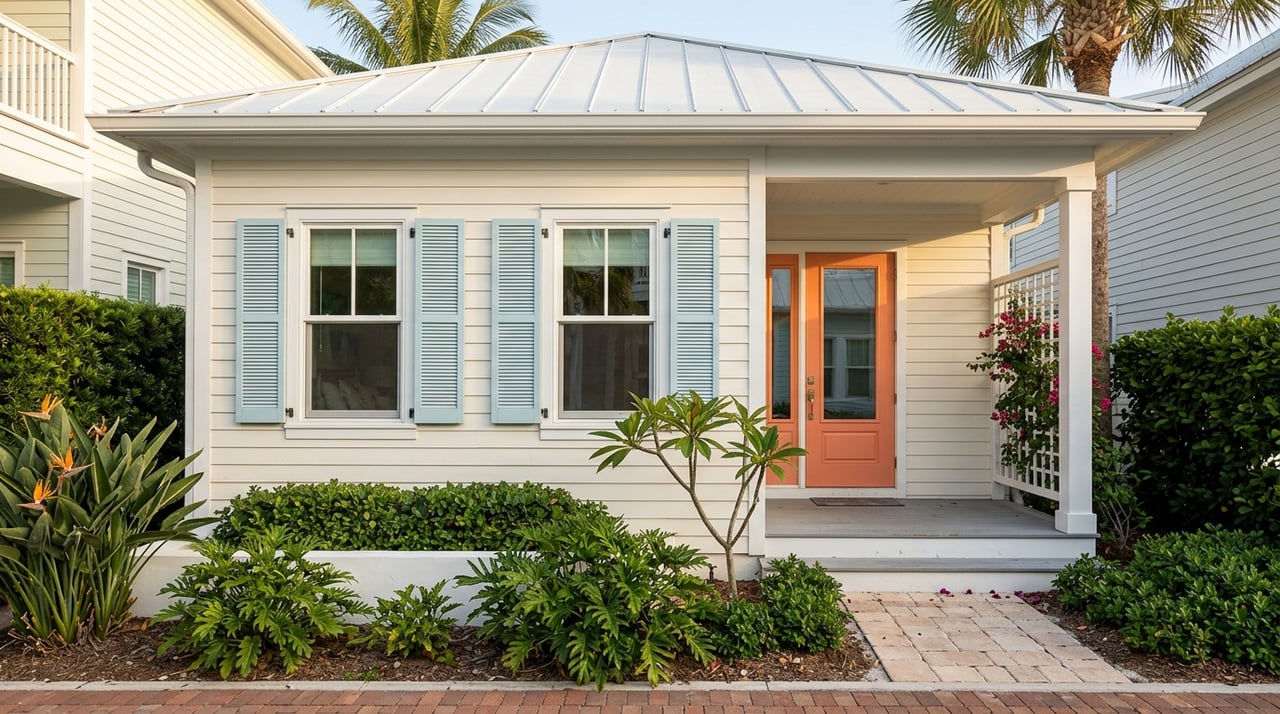
This is often where buyers find the most classic Old Town character. Housing stock may include historic cottages, cigar-maker’s cottages, frame-vernacular houses, and front-porch homes designed for residential life rather than storefront use.
These blocks still carry Old Town pricing, but many buyers see them as offering the strongest mix of charm and relative quiet. If you are looking for a full-time residence, a second home, or a work-from-home base with a more residential feel, this is often where the search begins.
What Your Daily Life Might Feel Like
Choosing the right micro-neighborhood is really about how you want your home to live, not just how it looks in photos. The same price point can buy a very different lifestyle depending on where you land.
If You Choose Near Duval
You are likely choosing convenience first. You may have easier walking access to restaurants, shops, and activity, but you should also expect more foot traffic, more street energy, and less flexibility when it comes to space and privacy.
This area often works well for buyers who want a lock-and-leave setup, enjoy being in the middle of the action, or visit Key West specifically for its lively atmosphere. The tradeoff is that the neighborhood experience may feel less tucked away.
If You Choose the Waterfront or Bight
You are often paying for scarcity and setting. The draw here is direct connection to the marina environment, harbor activity, and the character of the historic seaport.
That said, this is not the same as a hidden residential lane. It tends to be more animated and more specialized, which can be a plus if you want marine access and a stronger waterfront identity.
If You Choose an Interior Pocket
You are usually buying for feel. These blocks often appeal to buyers who want Old Town architecture, porches, and a more residential street presence without giving up access to the core of Key West.
For many full-time residents, remote workers, and second-home buyers, this is the sweet spot. You are still in Old Town, but your immediate surroundings may feel more relaxed once you turn off the main corridor.
Parking Can Change the Decision
In Old Town, parking is not a small detail. It can be one of the biggest quality-of-life differences between two homes that otherwise look similar on paper.
The city’s residential permit program allows parking in marked residential spaces and limited free time in select lots. The city also states that street-parked cars must be moved every 72 hours, and boats, trailers, RVs, and vehicles over 20 feet cannot park on the street or in municipal lots.
There is additional supply at the Old Town garage at Caroline and Grinnell, but parking remains controlled and finite rather than easy and abundant. If you own a car, host guests, or simply want less daily friction, it is smart to evaluate parking block by block and property by property.
Transit Is Not the Same as It Was
Some buyers still assume the old Duval Loop is part of everyday Old Town life. According to the city, Duval Loop bus service was suspended effective January 1, 2026, and former stops continue to be served by on-demand bus service.
That does not mean car-light living is off the table. It does mean you should not base your home search on an outdated transit pattern. In Old Town, walkability is still a major asset, but transit convenience may look different than it did in the past.
Historic Rules Matter Before You Renovate
Many buyers fall in love with Old Town because of its architecture and historic character. The practical side of that charm is that much of Old Town sits inside the historic district, where exterior changes may require review.
The city distinguishes between historic and historically contributing structures, and HARC review can apply to additions, pools, fences, signs, lighting, new construction, decks, repairs, and other exterior work. The permitting process is integrated with building review to help streamline approvals, but the review itself still matters.
If you are buying a home with plans to expand, rework outdoor areas, or make visible exterior updates, this should be part of your decision early. A home that feels perfect for your lifestyle today may function differently if your renovation plans require extra review.
Old Town Price Context for Buyers
Old Town is expensive, but it is not uniform. Third-party market tracking cited in the research shows an April 30, 2026 value of about $1.27 million for Old Town, compared with about $1.02 million for Key West overall.
Nearby island submarkets mentioned in the same data, including Historic Seaport at about $1.72 million and Casa Marina at about $1.99 million, trend higher. In broad terms, waterfront and seaport blocks tend to sit at the top, Duval-adjacent mixed-use areas are also premium, and quieter interior pockets may offer some of the best relative value within the historic district.
That does not mean interior pockets are inexpensive. It means that within Old Town, value often comes from matching your priorities to the right block instead of automatically chasing the most central or most visible address.
A Simple Way to Narrow Your Search
If you are trying to focus your home search, start with how you want your day to feel. That answer will usually point you toward the right micro-neighborhood faster than square footage alone.
Best Fit by Buyer Priority
- Walk-everywhere convenience: Focus on the Duval-adjacent core.
- Waterfront and marina access: Focus on the Key West Bight and nearby seaport blocks.
- Classic Old Town residential feel: Focus on interior lanes and quieter residential pockets.
- Less street noise: Start away from the main corridors.
- Renovation plans: Review historic district considerations early.
- Parking concerns: Compare each property’s real parking setup, not just its address.
In a market like Old Town, the best purchase is rarely just about finding a beautiful home. It is about finding the right block, the right rhythm, and the right fit for how you plan to live in Key West.
A boutique, neighborhood-level search can make that process much easier, especially when you are comparing homes that may look similar online but live very differently in person. If you want help sorting through Old Town’s micro-neighborhoods with local insight and concierge-level guidance, connect with Stacy Stahl.
FAQs
What are the main micro-neighborhoods buyers compare in Old Town Key West?
- Buyers most often compare the Duval-adjacent core, the historic waterfront and Key West Bight area, and the quieter interior residential pockets.
How does parking work for buyers in Old Town Key West?
- The city’s residential permit program allows parking in marked residential spaces and limited free time in select lots, but street parking is regulated, cars must be moved every 72 hours, and certain larger vehicles cannot park on the street or in municipal lots.
Are Old Town Key West homes subject to historic review?
- Many are, because much of Old Town is within the historic district, and exterior changes such as additions, fences, pools, decks, lighting, repairs, and new construction may require HARC review.
Is the Duval Loop still running in Old Town Key West?
- No. The city announced that Duval Loop bus service was suspended effective January 1, 2026, and former stops are served by on-demand bus service.
Which Old Town Key West area is best for a quieter residential feel?
- Buyers looking for a quieter residential setting usually start in the interior pockets away from the main corridors, where streets tend to be slower-traffic and more residential in character.
How expensive is Old Town Key West compared with Key West overall?
- Research cited for this article shows Old Town at about $1.27 million as of April 30, 2026, compared with about $1.02 million for Key West overall, with waterfront and seaport areas typically commanding higher prices.