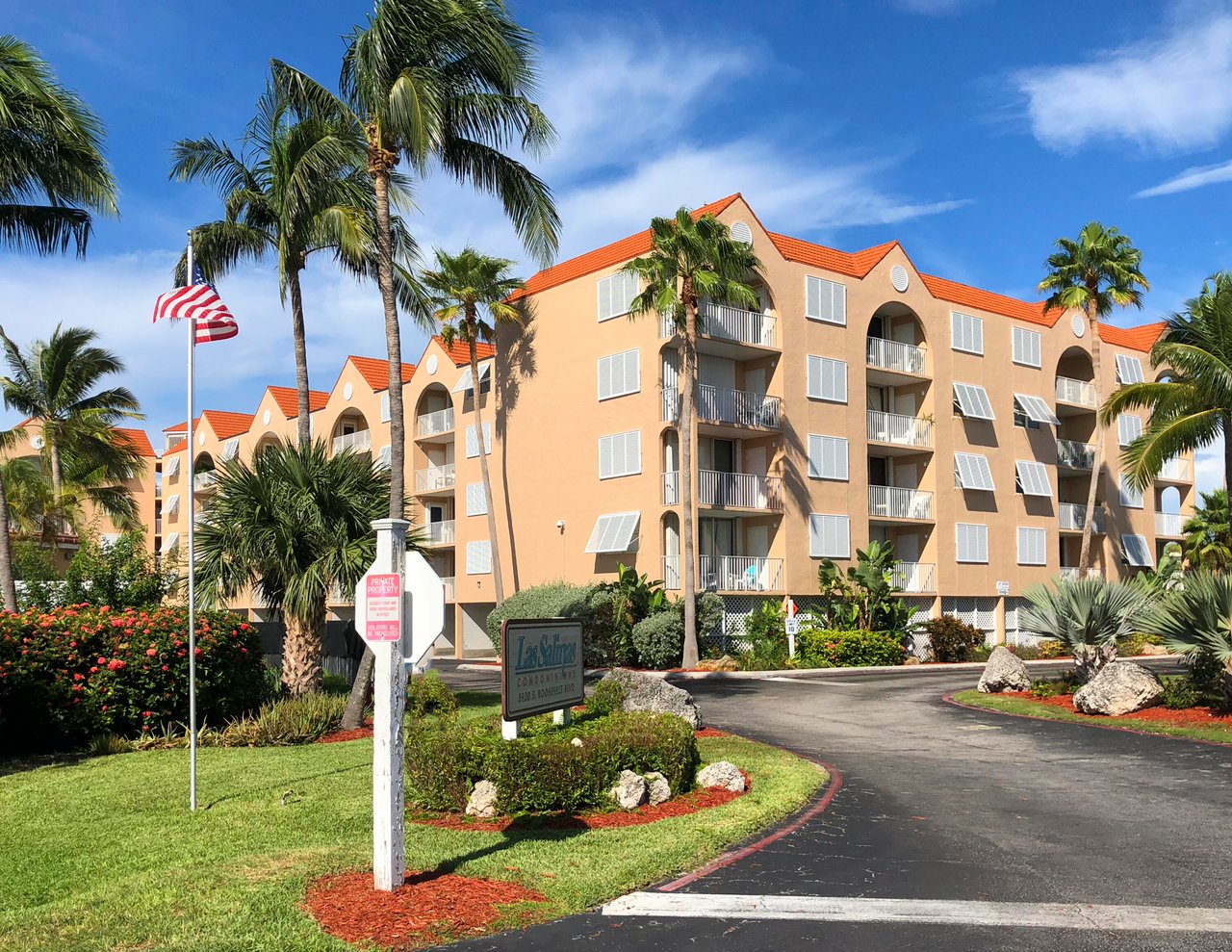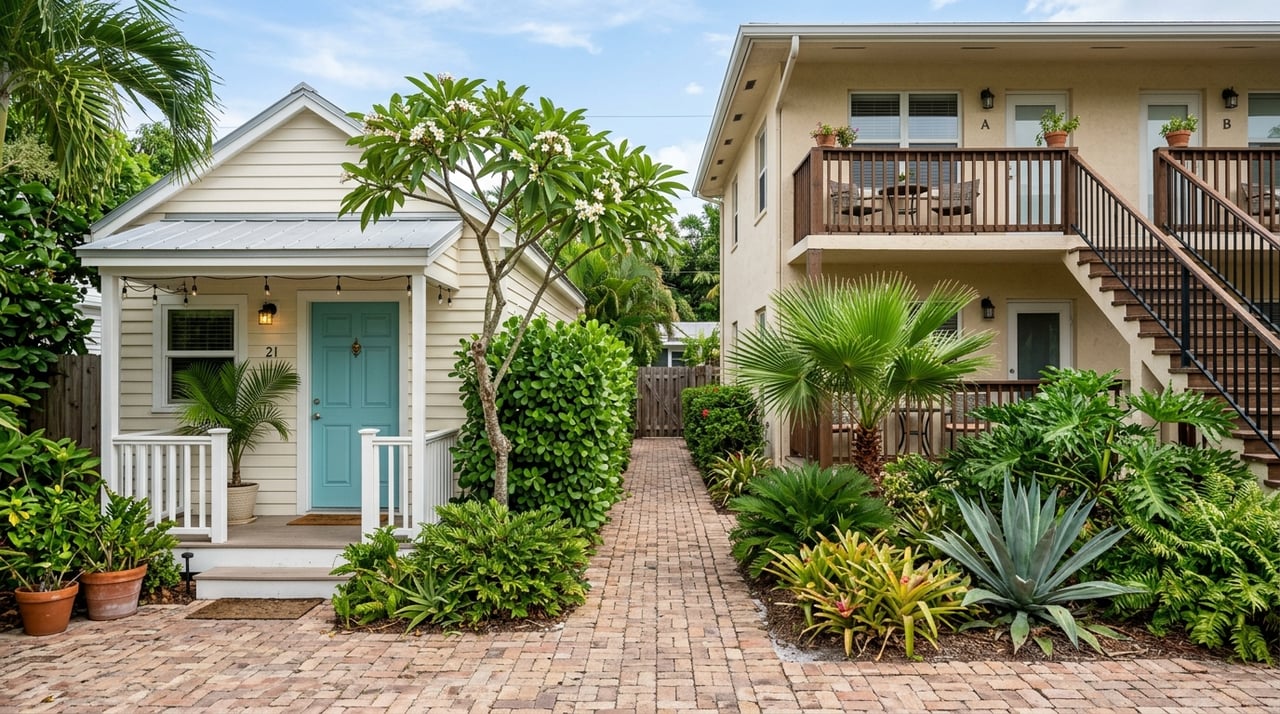
Trying to choose between a condo or cottage in Old Town Key West? It is a common question, and the answer is not just about style. Your budget, maintenance goals, privacy preferences, parking needs, and rental plans can all shape which option fits you best. If you are weighing the pros and cons of each, this guide will help you compare them with more confidence. Let’s dive in.
Old Town Price Differences
In Old Town, condos and cottages often sit in very different price bands. According to Zillow’s Old Town home value data, the average Old Town home value was $1,245,047 as of March 31, 2026, with 56 homes for sale and values down 6.1% year over year.
Recent Old Town listings show condos starting in the high-$500,000s and ranging into the $700,000 to $900,000 range for larger or better-positioned units. Single-family cottages and houses usually start higher, often in the high-$800,000s, and can quickly move into the $1.3 million to $3 million-plus range, with some renovated properties listed near $5 million.
That price gap matters if you want walkability in Old Town but need to stay within a target budget. A condo may offer a more accessible entry point, while a cottage may deliver more space and control if you are prepared for the higher purchase price and ongoing upkeep.
Condo Benefits in Old Town
For many buyers, the biggest draw of a condo is simplicity. Condo ownership often shifts much of the exterior maintenance to the homeowners association, which can make the property easier to manage if you split time between Key West and another home.
Examples in the market show how that works in practice. The listing for 409 Margaret Street noted HOA dues that include insurance, water, and common-area maintenance, while other condo listings reviewed in Old Town included structure maintenance, grounds maintenance, and building insurance.
That kind of setup can make a condo appealing if you want a lock-and-leave lifestyle. You may have fewer day-to-day property tasks, a more predictable monthly routine, and less hands-on responsibility for the exterior.
When a condo may fit you best
A condo may be the better choice if you:
- Want lower hands-on maintenance
- Spend only part of the year in Key West
- Prefer a more predictable ownership routine
- Want to enter Old Town at a lower price point than many cottages
- Are comfortable with HOA dues and association rules
Cottage Benefits in Old Town
A standalone cottage usually appeals to buyers who want more privacy and a more traditional house feel. In Old Town, cottages can offer more control over your outdoor setting and fewer shared walls or common elements.
That difference shows up in listing details. For example, 1105 Petronia Street was described as a single-family conch home with fenced privacy, a patio, and an outdoor shower, while 525 Olivia Street highlighted off-street parking and a larger lot by Old Town standards.
If outdoor living is high on your list, a cottage may feel more natural. You may have more flexibility for private seating areas, landscaping, and daily use of the property, even though you will usually take on more maintenance yourself.
When a cottage may fit you best
A cottage may be the better choice if you:
- Value privacy and separation from neighbors
- Want more outdoor space
- Need or strongly prefer off-street parking
- Want more control over the property itself
- Are comfortable managing more upkeep
Maintenance and Monthly Costs
One of the biggest real-world differences between a condo and cottage is how ownership feels month to month. A condo often comes with HOA dues, but some of those costs may cover insurance, water, and exterior maintenance.
A cottage may not have condo dues, but that does not mean ownership is automatically simpler or cheaper. You are usually responsible for more of the upkeep, and in Old Town that can include planning for exterior repairs, routine maintenance, and any compliance required for work on the property.
The key is to compare the full ownership picture instead of focusing only on the purchase price. For some buyers, a condo’s recurring dues are worth it for convenience. For others, the control of a cottage is worth the extra effort.
Parking Matters More Than You Think
Parking can be a major factor in Old Town. Even buyers who start by focusing on architecture or price often find that parking changes the equation once they picture daily life.
The City of Key West Residential Parking Permit Program explains that eligible residents, property owners, seasonal residents, and certain businesses may qualify for permits. The city also notes public parking options such as the Old Town parking garage, but street and lot parking are regulated.
That is why off-street parking can add meaningful value. If a cottage includes dedicated parking, that feature may carry real day-to-day convenience. If you are considering a condo, it is smart to confirm exactly what parking rights come with the unit before you move forward.
Rental Rules Need Close Review
If rental income is part of your plan, do not assume a condo and cottage offer the same flexibility. In Key West, rental use depends on more than the property type.
According to the City of Key West rental FAQ, all residential rentals require a City Business Tax Receipt. The city distinguishes between non-transient use of 29 days or more and transient use of 28 days or less, and transient lodging is tied to stays under 30 days or properties advertised that way.
That means short-term rental potential is property-specific, not something you should assume based on the neighborhood alone. The city also publishes a map of transient licensed properties, which reinforces that licensing matters.
Condo rental questions to ask
If you are considering a condo for rental use, review:
- HOA rental rules
- Current dues
- Association financial health
- Any restrictions on lease terms or occupancy
- Whether the specific property is licensed for your intended use
Cottage rental questions to ask
If you are considering a cottage, review:
- Zoning and local use rules
- Whether the property is licensed for the intended rental use
- Any listing-noted rental restrictions
- The operating costs of managing a standalone home
For investor-minded buyers, this is one of the most important parts of due diligence. It is better to confirm what is allowed before falling in love with the property.
Condo Rules and Florida Requirements
Condo buyers in Florida also need to look closely at association documents and building-level obligations. The Florida Senate statute on milestone inspections notes inspection requirements for many condo and co-op buildings, and state law also requires structural integrity reserve studies for many condominium buildings.
Those requirements can affect reserves, assessments, and resale diligence. They do not mean a condo is a bad choice, but they do mean your review should go beyond finishes and location.
The same statute notes that single-family, two-family, and three-family dwellings are exempt from milestone inspection requirements. For buyers comparing a true single-family cottage to a condo, that can create a different risk and review profile.
Historic District Considerations
In Old Town, the historic setting is part of the appeal, but it also affects ownership. Much of the area falls within the local historic district, and the City of Key West explains that a Certificate of Appropriateness may be required for new structures, fences, decks, signs, and many types of exterior painting, repair, alteration, remodeling, landscaping, or demolition.
The city also states that a building permit is required for work over $1,000, and exterior work in the historic district requires a COA as part of the permit process. This applies whether you own a condo or a cottage, although the amount of exterior responsibility often differs.
If you are dreaming about changing paint colors, replacing windows, adding fencing, or updating outdoor areas, make sure you understand what approvals may be required. In Old Town, historic review is part of smart ownership planning.
Some Properties Blur the Line
In Old Town, not every property fits neatly into one category. Some homes are marketed like cottage-style residences but are legally condominiums.
That is why the label on the listing is not enough. A property may look and feel like a private cottage while still carrying HOA dues and association rules, so reviewing the governing documents is essential.
This is especially important if your goals include rental use, exterior changes, or a low-maintenance ownership experience. The lifestyle you imagine should match the legal structure of the property.
How to Decide Between Condo and Cottage
If you want lower maintenance, a more predictable monthly routine, and an easier lock-and-leave setup, a condo may be the better fit. If you value privacy, outdoor space, parking, and more control over the property, a cottage may be worth the added responsibility.
The right choice usually comes down to how you plan to use the home. A full-time residence, part-time getaway, or investment-focused purchase can each point you in a different direction.
In a market like Old Town Key West, details matter. Budget, parking, rental rules, association structure, and historic district requirements can all shape whether a property truly fits your goals.
If you want help comparing specific Old Town condos and cottages, Stacy Stahl offers boutique, neighborhood-level guidance to help you weigh the tradeoffs and move forward with confidence.
FAQs
What is the price difference between a condo and cottage in Old Town Key West?
- Recent Old Town listings show condos starting in the high-$500,000s, while single-family cottages often start in the high-$800,000s and can rise well into the multi-million-dollar range.
What makes a condo easier to own in Old Town Key West?
- A condo often includes HOA-covered items like exterior maintenance, building insurance, or common-area upkeep, which can reduce hands-on ownership tasks.
What makes a cottage appealing in Old Town Key West?
- A cottage often offers more privacy, more outdoor space, and sometimes off-street parking, along with greater control over the property itself.
What should buyers know about parking in Old Town Key West?
- Parking is regulated in Old Town, and off-street parking can add meaningful value, so you should confirm permit options and any dedicated parking included with a property.
What should investors know about rental rules in Old Town Key West?
- You should verify the property’s specific licensing status, local rules, and any HOA restrictions because rental flexibility is tied to the individual property, not just the neighborhood.
What should buyers know about historic district rules in Old Town Key West?
- Many exterior changes in the historic district may require a Certificate of Appropriateness and, for work over $1,000, a building permit as well.